Why Sleepwear Categories Matter for Brands and Importers?
In the global apparel industry, sleepwear and nightwear are no longer just basic essentials. Today, they represent a combination of comfort, fashion, sustainability, and lifestyle branding. For importers and brand owners, choosing the right categories of sleepwear is crucial not only for meeting customer expectations but also for aligning with production realities—fabric sourcing, cost efficiency, compliance, and scalability.
At PJS, as a professional custom sleepwear factory, we often guide our clients through these decisions. Every style has strengths and weaknesses depending on market demand, climate, target demographic, and cost structure. In this article, we will explore the most popular sleepwear categories, analyze their pros and cons, and add factory-level insights on production, MOQ, quality control, and sourcing.
1. Classic Notch Collar Pajama Set

Style Overview
A two-piece pajama set with a button-down shirt featuring a notch collar, paired with full-length pants or shorts. Traditionally made in cotton, satin, or silk.
Pros
- Timeless appeal – works for all age groups and both men’s and women’s markets.
- Versatile fabric choices – cotton for comfort, silk/satin for luxury, bamboo for sustainability.
- Gift-worthy – often chosen as premium sleepwear sets for holidays.
Cons
- Higher production complexity – requires buttons, collars, piping, and multiple components.
- Cost impact – trims and construction raise per-unit costs.
Factory Insights
From a manufacturing standpoint, pattern-making and grading for notch collar sets is more complex compared to pullovers. Lead times are slightly longer due to multiple processes (buttonholes, collar shaping, pressing). MOQ usually starts at 200–300 sets per color/fabric for efficiency. However, with the right supplier, 100-piece MOQ is possible for boutique brands.
2. Camisole Set (Cami + Shorts/Pants)

Style Overview
Lightweight, sleeveless top paired with shorts or full-length pants. Often made from silk, satin, or bamboo fabrics.
Pros
- Highly feminine and stylish – ideal for summer or warmer climates.
- Cost-effective – less fabric and fewer trims.
- Adaptable design – easy to customize with lace, embroidery, or prints.
Cons
- Seasonal demand – primarily suited for spring/summer collections.
- Narrow market – women-focused, less universal compared to other sets.
Factory Insights
Production of camisole sets is straightforward and low-cost, but fit accuracy is critical. Adjustable straps require additional hardware sourcing. Factories often recommend PPS (pre-production sample) approval to test strap strength and garment balance. Fabric cutting efficiency is high, allowing smaller MOQs (from 100 pcs), making camisole sets perfect for emerging brands testing the market.
3. Pullover Top & Bottom Set
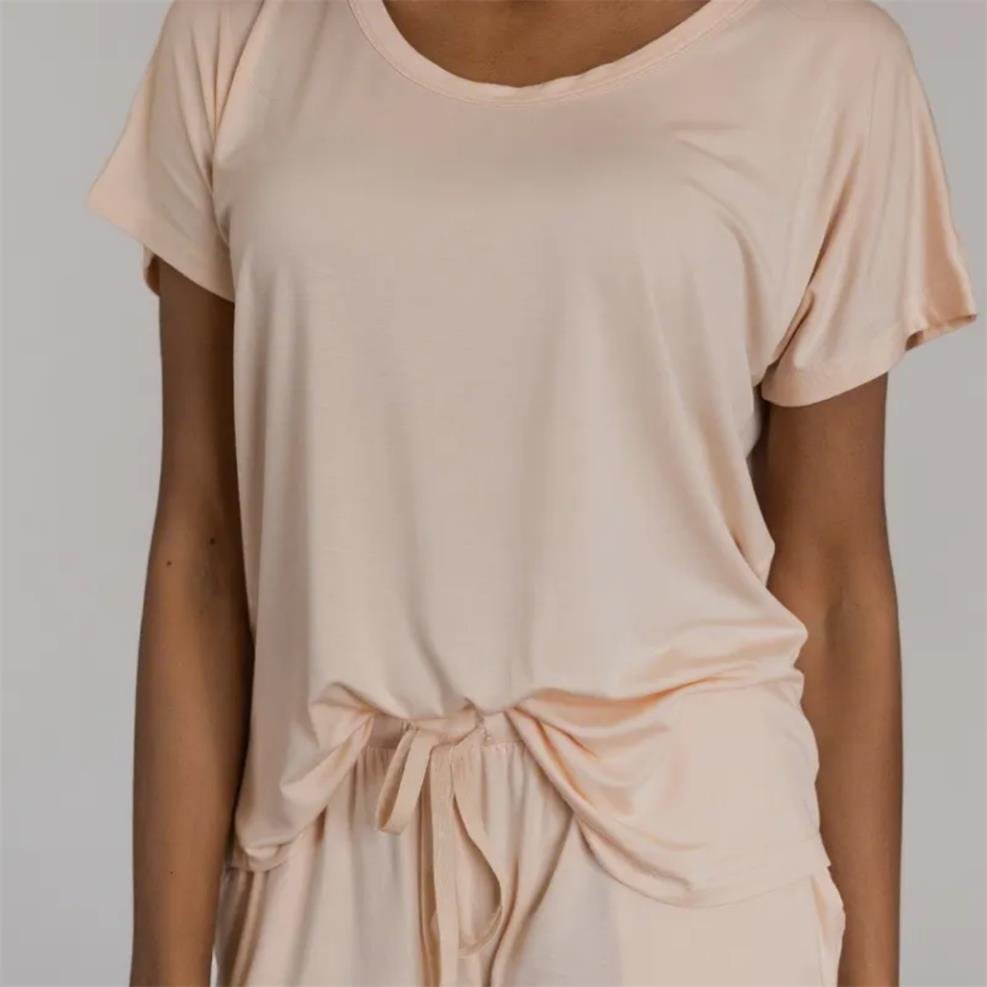
Style Overview
A pajama set with a pullover-style top (crew neck, Henley, or V-neck) and elastic waistband bottoms.
Pros
- Easy wear – no buttons or fastenings.
- Unisex appeal – works for men, women, and kids.
- Cost-efficient – simplified construction reduces production costs.
Cons
- Less premium perception – looks casual compared to tailored notch collar sets.
- Limited fashion variation – relies heavily on fabric prints for differentiation.
Factory Insights
Pullover sets are highly scalable. They allow large-volume production with faster sewing lines and minimal QC risks (no misaligned buttons). Factories recommend these for mass-market retailers who value price competitiveness. MOQ can be as low as 50 sets for startups, but factories prefer bulk runs for efficiency.
4. Robe & Nightgown Set
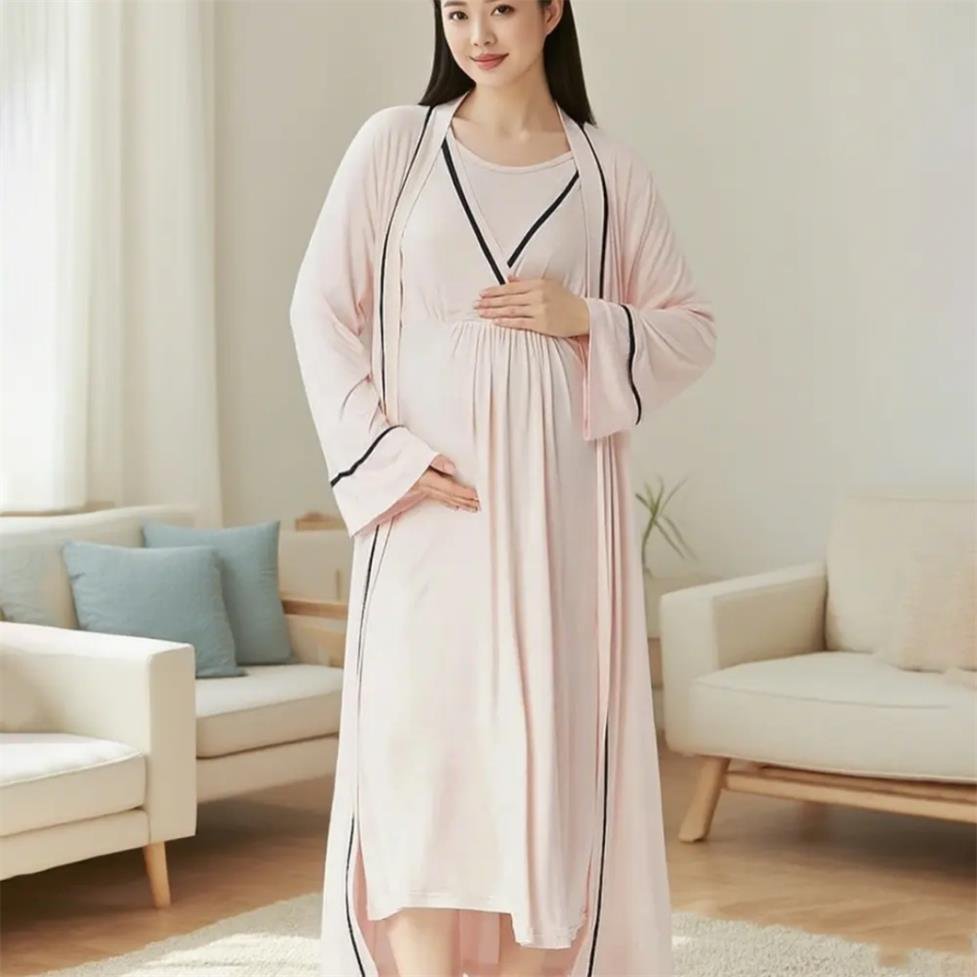
Style Overview
A layered set featuring a slip or nightgown paired with a robe. Typically made from silk, satin, or modal blends.
Pros
- Elegant and luxurious – strong in bridal or premium markets.
- Flexible merchandising – can be sold as a set or as separates.
- High gifting potential – excellent for seasonal sales.
Cons
- Higher production costs – two garments in one SKU.
- Bulkier packaging & shipping costs.
Factory Insights
Factories see robe sets as value-added items. Production requires multiple samples to ensure robe length complements the gown. MOQ is usually 300 sets, but boutique brands can negotiate smaller runs. Extra care is needed in quality control, as robe belts and seams often fail stress tests if stitching is weak.
5. Onesie or Jumpsuit Pajamas

Style Overview
A one-piece garment with zippers or snaps, popular in children’s markets or novelty adult designs.
Pros
- Playful and fun – strong retail impact in kidswear.
- Winter appeal – provides warmth and full coverage.
- Great branding opportunities – works well with novelty prints.
Cons
- Fit challenges – body-length variations make grading complex.
- Production cost – zippers, snaps, and higher fabric usage increase price.
- Niche appeal – not suitable for all markets.
Factory Insights
Factories must pay special attention to safety standards for children’s onesies (flammability, small parts, zipper quality). For adults, sizing becomes complex. Production efficiency is lower compared to two-piece sets, so MOQs are typically higher (500 pcs+).
6. Slip Dress Nightwear

Style Overview
A minimal, feminine nightdress, often cut from satin, silk, or bamboo fabrics.
Pros
- Luxury appeal – perfect for intimate and bridal collections.
- Easy to customize – lace trims, embroidery, bias cuts.
- Strong margin potential – low material cost, high perceived value.
Cons
- Limited seasonality – mainly spring/summer sales.
- Niche audience – not mass-market friendly.
Factory Insights
Slip dresses are fabric-sensitive. Satin and silk require precise cutting to avoid distortion. Factories recommend lab dips and shrinkage tests before bulk production. MOQ starts at 100 pcs, but fabric MOQ from mills may require larger runs, especially for custom dyeing.
7. Loungewear-Inspired Pajama Sets

Style Overview
Hybrid designs that work as both homewear and casual outerwear. Often feature jogger-style pants, oversized tops, or relaxed silhouettes.
Pros
- Versatile – appeals to the “sleep-to-street” trend.
- Younger demographic – strong for millennials and Gen Z markets.
- Brand differentiation – allows creative design and crossover with athleisure.
Cons
- Higher design demand – requires more fashion input.
- Fabric costs – premium blends (modal, bamboo) increase unit costs.
Factory Insights
Factories treat loungewear as fashion collections. Development involves more rounds of sampling and fabric sourcing. MOQ is flexible (100–200 pcs per style), but lead times are longer due to customization. Perfect for brands wanting to position themselves in lifestyle categories beyond sleepwear.
Production Factors Across All Categories
Fabric Selection
- Cotton: Breathable, cost-effective, widely used.
- Bamboo: Sustainable, soft, ideal for maternity and eco-conscious markets.
- Silk/Satin: Premium, luxurious, but higher defect risk in production.
- Modal/Viscose: Comfortable, drapey, modern loungewear fabric.
MOQ & Scalability
- Entry brands: 50–100 pcs MOQ (higher per-unit cost).
- Established brands: 500–1000 pcs MOQ (cost-efficient).
Quality Control
- Inline inspections, PPS approval, shrinkage/colorfastness tests.
- Third-party audits (AQL standards) for retailers.
Sustainability
Certifications (OEKO-TEX, GOTS, BSCI) increasingly required by global buyers.
Transparent supply chains: Bangladesh, Vietnam, Cambodia offer competitive pricing, but compliance must be verified.
Each sleepwear category—from classic notch collar sets to modern loungewear—offers unique opportunities. The right choice depends on your target market, price point, and brand positioning. Importers and brand owners should balance design appeal with production efficiency, MOQ flexibility, and compliance standards.
At PJS, we view supplier selection as a partnership. Our role is to guide brands through fabric choices, sample development, quality control, and sustainable production, ensuring every collection is market-ready and factory-proven.
FAQs
1. Which sleepwear style is best for new brands?
Pullover sets and camisole sets, due to low MOQ and easy production.
2. How do factories handle small MOQs?
Through stock fabrics, simplified designs, and batch production lines.
3. Which fabrics are best for premium collections?
Silk, satin, and bamboo blends, paired with luxury trims.
4. How long is the typical lead time?
4–6 weeks for sampling, 8–12 weeks for bulk production depending on complexity.
5. What certifications should I ask from a sleepwear supplier?
ISO9001, OEKO-TEX, GOTS, and BSCI for compliance and sustainability assurance.